

Any construction project, regardless of the size or budget allocated, must comply with strict legal norms and requirements to ensure the quality and safety of the construction. In Romania, Law 10/1995 on quality in construction imposes essential requirements that must be respected for all construction projects. In this article, we will discuss these legal requirements and how they should be applied to home projects.
Approved Technical Documentation:
Regardless of the size of the project, it is essential that every house has approved technical documentation. This includes the architectural design, resistance and installation designs, as well as any additional documents required. The documentation must be drawn up by a licensed architect and submitted to and approved by local authorities.
Compliance with Town Planning Regulations:
Any construction must comply with town planning regulations and local town plans. These regulations may include building height restrictions, lot occupancy ratios, minimum distances from neighbors, and more. It is important to consult local town plans and ensure that your project falls within these regulations.
Environmental Impact Assessment:
For larger projects or those that may have a significant impact on the environment, an Environmental Impact Assessment (EIA) may be required. This is a legal requirement and involves assessing the effects of the project on natural resources, biodiversity and the local community. EIA approval is required before construction begins.
Construction Authorization:
Any construction project requires obtaining a building permit from the local authorities. This document certifies that the project has been verified and complies with all legal requirements. Construction work cannot begin without this permit.
Construction Quality Control:
Law 10/1995 stipulates that all constructions must comply with national standards and regulations for quality assurance. This involves the use of certified materials and compliance with building regulations, as well as ensuring the quality of work on site.
Quality assurance:
It is also mandatory to comply with the fundamental requirements regarding quality in constructions from the updated Law 10/1995, which would be the following:
a) Mechanical Strength and Stability: The construction must be strong and stable enough to withstand its own weight and external forces such as wind or earthquakes.
b) Fire Safety: The house must be designed and built with materials and systems that prevent fires or limit their spread, providing protection against fire hazards.
c) Hygiene, Health and Environment: The construction must ensure hygiene and health conditions for the inhabitants and not negatively affect the environment. This includes water and sewage systems.
d) Safety and Accessibility in Operation: The house must be designed in such a way as to provide a safe and accessible environment for all users. This means, for example, removing obstacles for people with disabilities.
e) Protection against Noise: The construction must provide adequate protection against noise from the external environment, ensuring a quiet environment for the inhabitants.
f) Energy Saving and Thermal Insulation: The house must be designed and built to be energy efficient. This includes proper thermal insulation, the use of energy efficient windows and efficient heating and cooling systems.
g) Sustainable Use of Natural Resources: Construction must take into account the judicious use of natural resources, such as water and building materials. This involves, for example, the installation of rainwater collection systems or the use of recyclable materials.
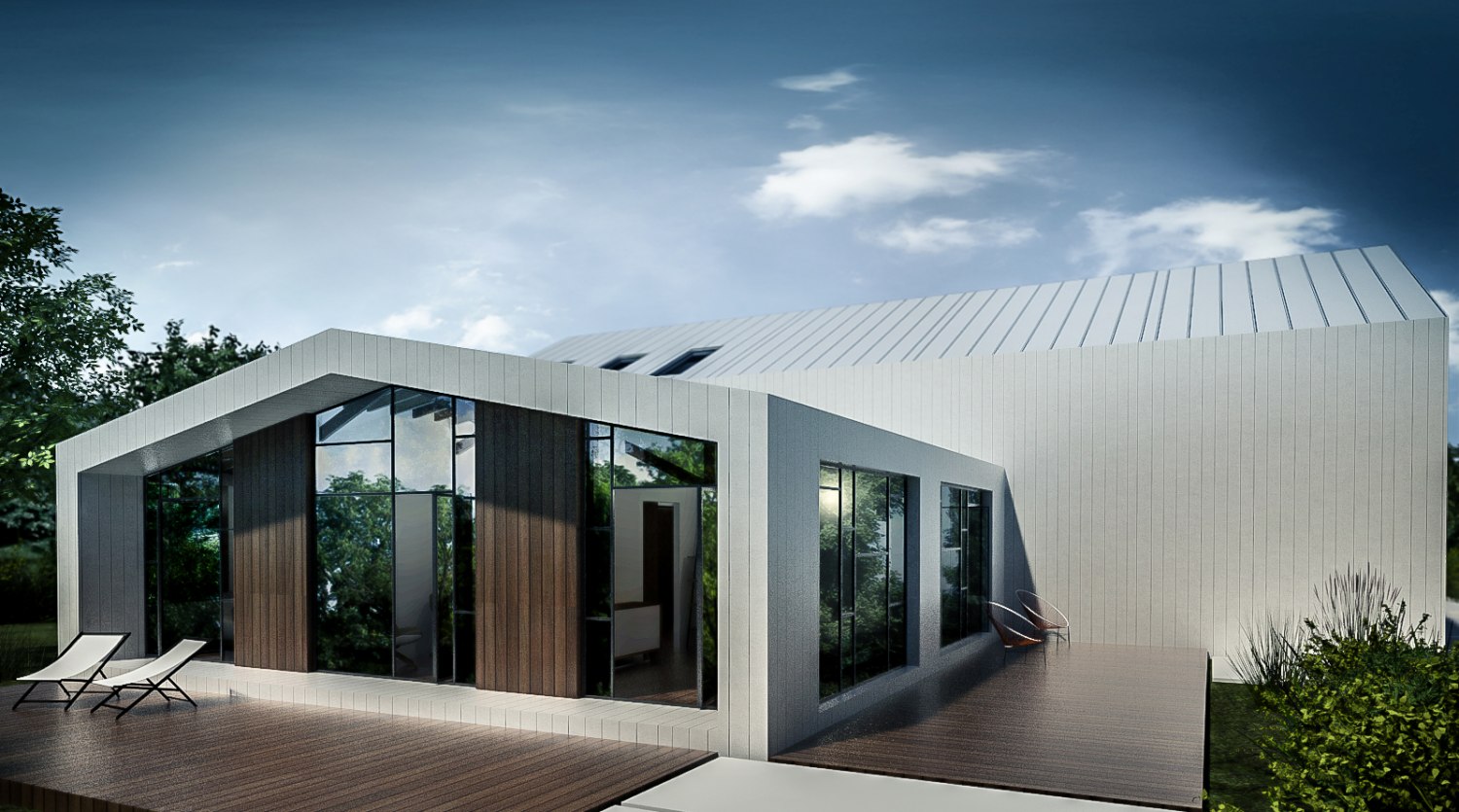
These fundamental requirements were created to protect the beneficiaries and the environment, as well as to ensure quality construction. A licensed architect can help meet these requirements during the design and construction of your home.
Conclusion:
Regardless of project size or budget, compliance with legal and regulatory requirements is essential. Any deviation from these legal requirements can lead to delays, fines or, in the worst case, the stoppage of construction. Working with an architect with the right to sign, who knows and respects all these requirements, is essential to ensure a reliable and sustainable house project, according to law 10 on quality in construction and the applicable fundamental requirements.